

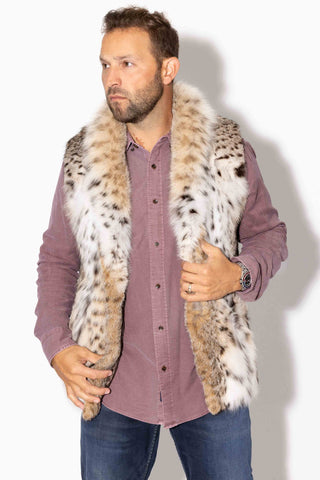


Beyond the Label: Why Natural Fur is the Sustainable Choice
The fashion world is having a serious conversation about sustainability. For decades, "faux" fur was marked as the ethical alternative. But, as we look closer at the environmental cost of synthetic materials, a different story emerges.
At Henig Furs, we've spent five generations working with natural materials. To us, sustainability isn't a trend - it's a heritage. Here is why natural fur remains one of the most eco-responsible choices you can make for our planet.
1. Biodegradability: Returning to the Earth
The most significant difference between natural and synthetic fur is what happens at the end of its life.
- Natural Fur: Like wool or silk, real fur is an organic material. When it eventually reaches the end of its journey (often after 30-50+ years), it biodegrades, returning nutrients to the soil.
- Faux Fur: Most synthetic furs are made from petroleum-based plastics like polyester and acrylic. These materials do not break down. Instead, they sit in landfills for centuries, eventually breaking into microplastics that pollute our oceans and food chains.
2. The Ultimate "Slow Fashion"
Sustainability is as much about longevity as it is about materials.
"The most sustainable garment is the one already in your closet."
A high-quality fur isn't a "fast fashion" item designed to be replaced next season. It's an heirloom. Our customers often bring in coats owned by their grandmothers to be restyled into modern vests or pillows. This cycle of use, reuse, and heritage is the definition of a circular economy.
3. Renewable vs. Fossil Fuels
Faux fur is a byproduct of the oil industry. Its production requires intensive chemical processing and relies on finite, non-renewable resources.
In contrast, natural fur is a renewable resource. Whether sources from regulated farms or through state-managed wildlife conservation programs, natural fur production supports a balanced ecosystem without the heavy reliance on the petrochemical industry.
4. Supporting Conservation
In North America, the fur trade plays a vital role in wildlife management. Regulated trapping helps maintain healthy animal populations, preventing overpopulation and the spread of disease. This scientific approach to conservation ensures that we are protecting the land while utilizing its natural surplus responsibly.
Choose Quality That Lasts
Choosing natural fur is a vote for the environment. It's a choice to move away from "disposable" plastic fashion and toward a natural, breathable, and biodegradable future.
Want to give an old fur a second life? Explore our Restyling Services and see how we can transform your heirloom into a modern masterpiece for the next generation.